

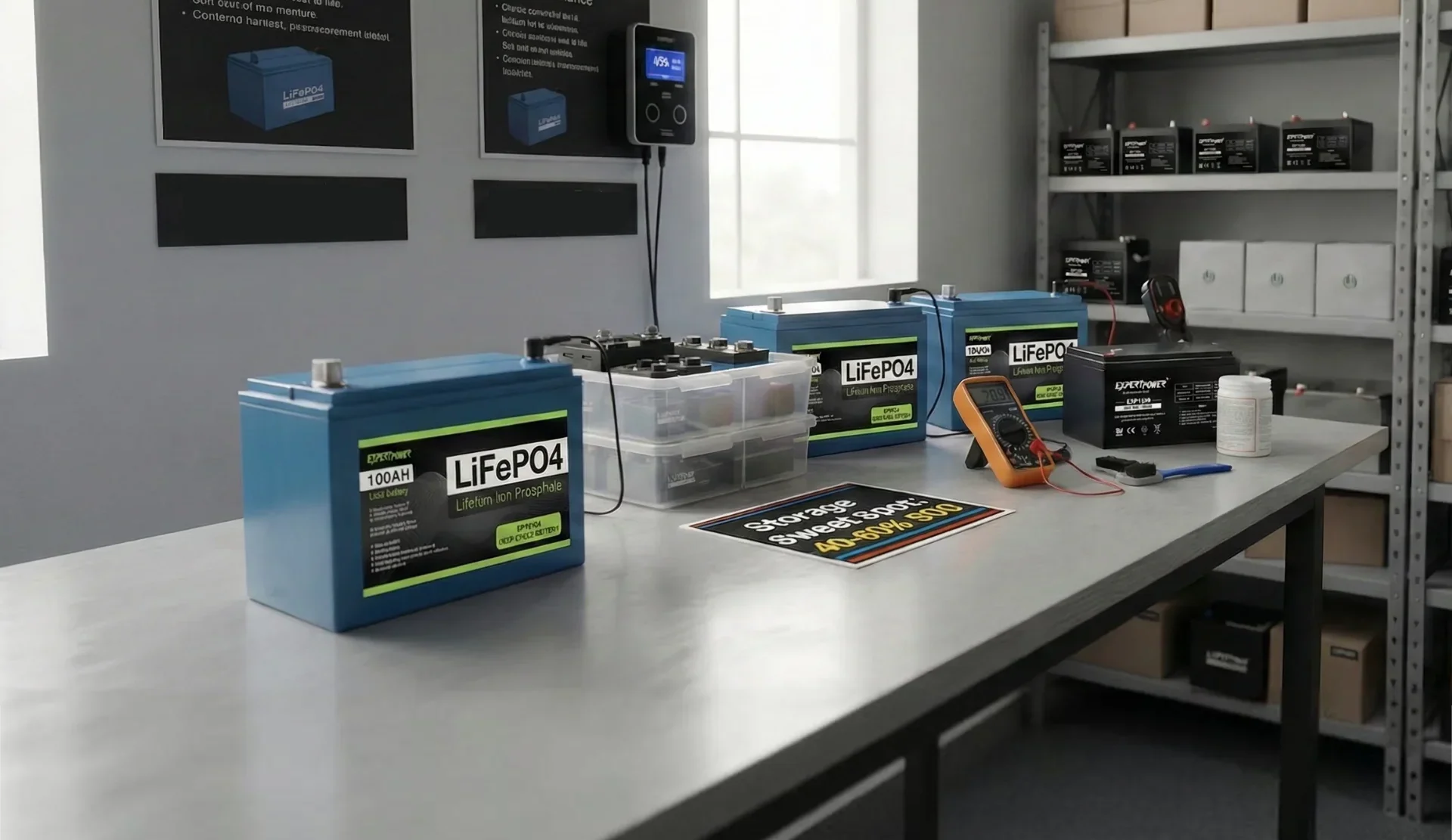


Extending the Lifespan of Your Deep Cycle Batteries: Charging, Storage, and Maintenance
The Investment Worth Protecting
Deep cycle batteries are the unsung heroes of our off-grid adventures, solar power systems, RV trips, and demanding power tools. Whether you rely on them for your home solar bank, marine applications, or to keep your drone in the sky, these batteries represent a significant investment. The good news? With proper care and attention, you can double or even triple their useful life, saving you money and frustration in the long run.
Our goal today is to provide you with actionable, cross-category maintenance tips that apply to popular chemistries like LiFePO4 (Lithium Iron Phosphate) in solar and off-grid setups, as well as high-use Drone and Power Tool batteries.
Safety Disclaimer: Battery chemistry and construction can vary widely. Always refer to your specific battery manufacturer's guidelines and recommendations for the safest and most effective care.
Master the Charge Cycle
The way you charge and discharge your deep cycle batteries is arguably the most critical factor in their longevity.
Avoid Deep Discharge: The Golden Rule
Regularly running a battery down to 0% state of charge (SOC) is one of the quickest ways to shorten its lifespan, severely stressing the internal cells.
- LiFePO4 (Solar/Off-Grid): These robust batteries tolerate deeper discharges than lead-acid, but for maximum lifespan, aim to stay above 10-20% SOC.
- Lead-Acid (If applicable): These are far more sensitive. Never discharge a lead-acid battery below 50% SOC.
The Fix: The best defense against accidental over-discharging is properly sizing your battery bank. If you haven't already, refer back to our guide on calculating your energy needs and battery capacity to ensure you have enough juice for your demands.
Use the Right Charger: Smart Charging for Smart Batteries
Not all chargers are created equal. Using the wrong one can damage your battery, reduce its efficiency, or even pose a safety risk.
- Solar Kits: Ensure your solar charge controller is correctly configured for your battery chemistry (e.g., a specific LiFePO4 charging profile). This optimizes charging voltage and current.
- All Batteries: Invest in a "smart" or "multi-stage" charger. These chargers automatically regulate voltage and current, preventing overcharging once the battery is full. This is crucial for maintaining cell health.
The Art of Storage
How you store your batteries during periods of non-use can significantly impact their future performance.
The Storage Voltage Sweet Spot
Storing a battery at 100% charge for extended periods, especially in high heat, can cause unnecessary stress and degradation. Conversely, storing it near 0% charge causes irreversible damage (like sulfation in lead-acid or cell death in lithium).
The Fix: For lithium batteries, store them at a partial charge, typically between 40% and 60% SOC (around 3.8V per cell). This minimizes stress on the cells.
Relevance to Drones/Power Tools: This principle is critical for the seasonal storage of smaller lithium batteries found in drones and power tools. Don't put them away fully charged or completely drained!
Temperature Control: Heat is the Enemy
Rule: Heat is the #1 enemy of battery life. High temperatures accelerate chemical reactions within the battery, leading to faster degradation. Always store batteries in a cool, dry place, away from direct sunlight or heat sources.
Cold: While cold temperatures temporarily reduce a battery's capacity, they are generally less damaging than high heat in the long term.
Routine Check-Up
For long-term storage (especially over several months), it's wise to check the state of charge every few months. If it's dropped below the recommended storage voltage, top it up.
Maintenance Checks (Chemistry Specific)
While some checks apply broadly, others are tailored to specific battery types.
For Lithium (LiFePO4, Li-ion, LiPo):
- Visual Inspection: Regularly check your lithium batteries for any physical damage, swelling, or corrosion on the terminals. Swelling is a critical sign of internal failure—stop using the battery immediately!
- Balancing: High-quality lithium batteries come with an internal Battery Management System (BMS) that actively keeps individual cells balanced. Periodically allowing a full 100% charge helps the BMS perform this crucial balancing act, optimizing overall pack health.
For Lead-Acid (If Applicable):
- Water Levels (Flooded Batteries): If you're using flooded lead-acid batteries, regularly check and top up the distilled water levels. Always do this after charging, never before, as the water expands during charging.
- Terminal Cleaning: Keep battery terminals clean and free of corrosion. A simple paste of baking soda and water can effectively clean corroded terminals.
When to Retire a Battery
Even with the best care, batteries eventually reach the end of their useful life. Knowing when to retire one can prevent issues and ensure reliable power.
The Signs:
- Massive Capacity Loss: If your battery only runs your load for half the time it used to, its internal capacity has significantly diminished.
- Physical Damage: Swelling, leaking, or major terminal corrosion are clear indicators of internal problems and potential safety risks.
- Refusal to Charge: If your charger indicates a fault, won't initiate charging, or the battery simply doesn't hold a charge, it's likely time for a replacement.
The Cross-Sell: When it's time to retire an old battery, remember that investing in high-quality replacements is the best way to restore performance. Our high-capacity replacements for power tools and reliable LiFePO4 options for solar are built to last and provide superior performance.
Conclusion & Final CTA
A little care goes a long way. By mastering your charge cycles, optimizing storage conditions, and performing routine maintenance checks, you can significantly extend the life of your deep cycle batteries. Treat them well, and they will serve you reliably for years to come.
Need an upgrade or a replacement? We stock reliable Deep Cycle LiFePO4 Solar Batteries and high-performance Power Tool Battery Replacements that are built to last. Shop our Battery Selection today!